Chapter 28 - The Hospital Changes Its Rules
The investigation exposed more than individual crimes.
St. Catherine’s Medical Center had allowed Monica to override safeguards.
No independent nurse confirmed Claire’s discharge.
No security alert activated when Rose’s newborn tag was removed.
Claire’s sedated condition was ignored.
A deleted nursing note went unreviewed.
The hospital board adopted new rules.
Patients who requested confidential status received independent advocates.
No spouse could authorize discharge for an impaired adult without physician review.
Newborn security tags required two-person verification.
Reports of coercive control triggered private screening away from family members.
Helen spoke at the first staff training.
She stood before doctors and nurses holding Claire’s photograph.
“My daughter knew she was in danger,” she said.
“She tried to communicate it. The system treated her husband as more credible because he appeared calm.”
She looked around the room.
“Calm people can lie. Frightened people can tell the truth.”
The presentation included no graphic photographs.
Only the timeline.
The altered chart.
The canceled ambulance.
The forged signature.
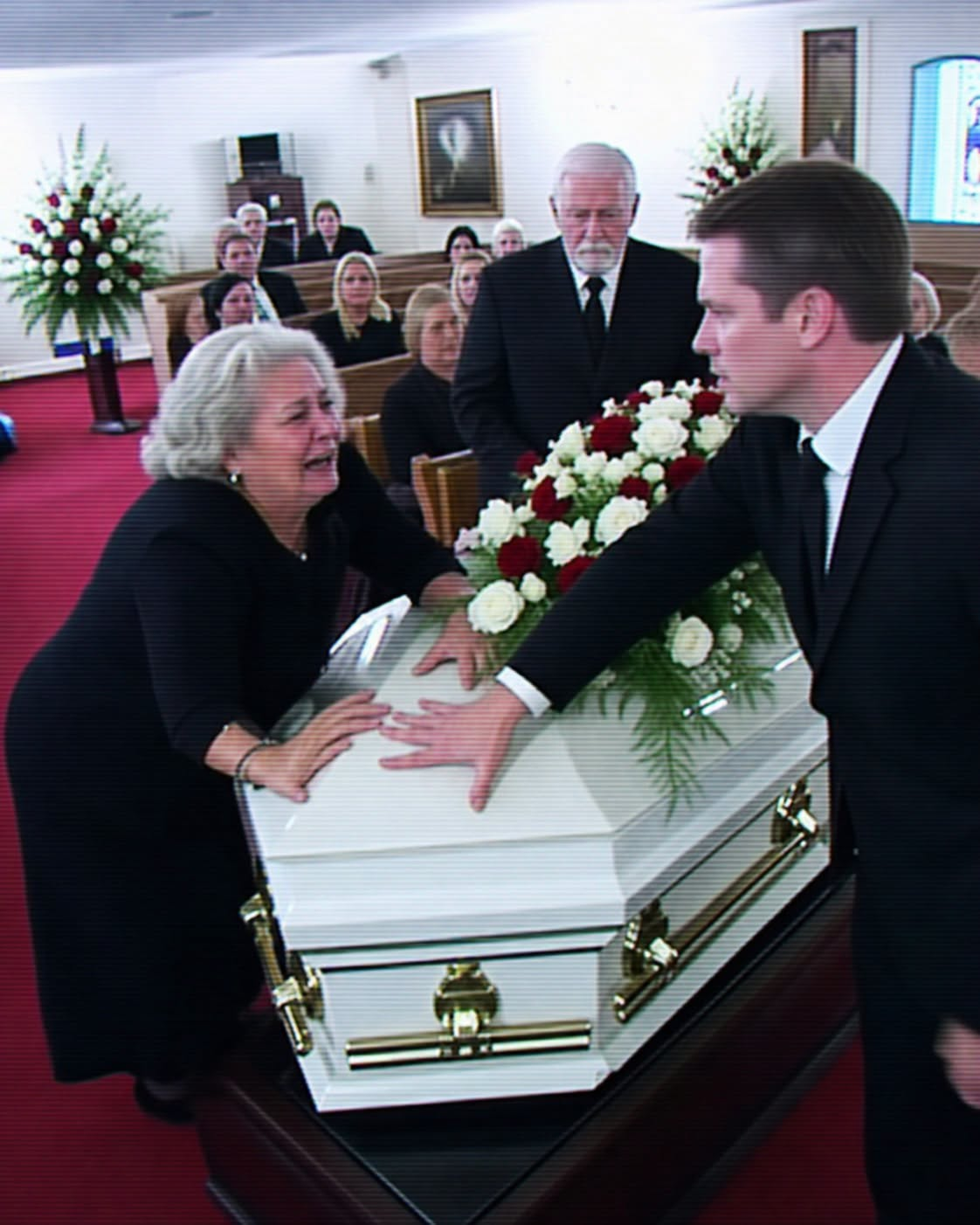
The closed coffin.
Staff members asked what they should do differently.
“Ask the patient alone,” Helen answered.
“Then listen to the answer as though their life may depend on it.”
The Claire Carter Maternal Safety Project expanded to three hospitals within two years.
Rachel provided legal training.
Officer Shaw trained security teams.
Walter taught funeral directors how to verify coroner releases and protect families from coercive next of kin.
Each person carried part of what they had learned.
Not redemption through words.
Responsibility through action.
Helen kept the original gold latch receipt from the false coffin in a project archive.
A strange object to preserve.
May you like


But that latch represented the moment a grieving mother refused to accept a controlled story.
👉 One demand to open a coffin ultimately changed how living women were protected.