Chapter 17 - THE NIGHTLIGHT PROGRAM
Daniel created the Nightlight Program through Harper Medical Transport.
It began as emergency childcare for employees.
Then social workers helped expand it.
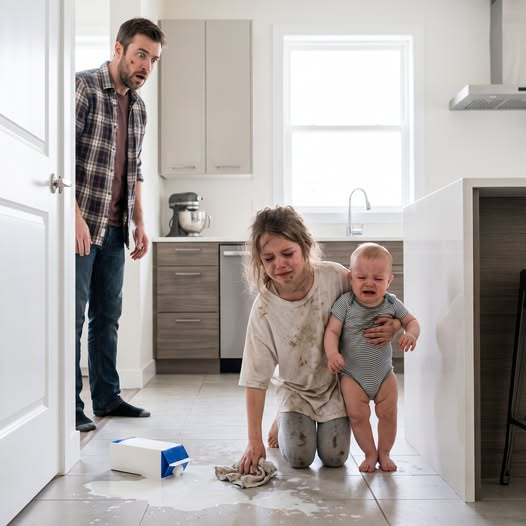
The program supported families where older children had been forced into parental roles.
It provided overnight nurses, transportation, counseling, and legal referrals.
Schools received training to recognize signs.
Children falling asleep in class.
Back pain without sports injuries.
Homework describing infant care.
Fear of going home after school.
Daniel funded the program but did not name it after Lily.
“She deserves privacy,” he said.
Lily chose the name herself.
“Because nightlights help when grown-ups aren’t there?”
Daniel asked.
“They help you see who is there.”
The program’s logo became a small glowing kitchen window.
Harper Medical Transport added strict safeguards to family and employee accounts.
No adviser could transfer education funds alone.
No spouse could use a child’s identity without independent verification.
Digital signatures required live confirmation.
The company recovered all money Marcus attempted to steal.
Some luxury properties purchased through fraud were sold.
The proceeds funded restitution and the Nightlight Program.
Daniel kept no profit from them.
He also testified before the state legislature about parentification—the practice of forcing children into adult caregiving roles.
He did not describe Lily’s private statements.
He described his own failure.
“I provided financially and assumed that meant my children were safe,” he said. “Children can be neglected inside beautiful homes while every bill is paid.”
The statement spread widely.
Other parents contacted the program.
A nine-year-old caring for twin siblings every night.
An eleven-year-old managing a parent’s medication.
A child punished for calling emergency services.
Lily’s kitchen footage remained sealed, but a short audio clip was used in professional training with court approval.
Daddy… my back hurts.
The words changed how social workers described hidden neglect.
Not every endangered child appeared hungry or abandoned in public.
Some went to school, smiled for photographs, and returned home to responsibilities that damaged their bodies.
Daniel listened to the training once.
He could not finish it.
Lily found him sitting alone.
“You’re sad.”
“Yes.”
“Because of me?”
“Because I should have seen sooner.”
She thought about it.
“You see now.”
The forgiveness in her voice did not erase responsibility.
May you like

It made change possible.
👉 Daniel turned guilt into protection for other families, but one final decision remained about the house where Lily had lost an entire night of childhood.