Chapter 20 - The Seat That Waited for Her
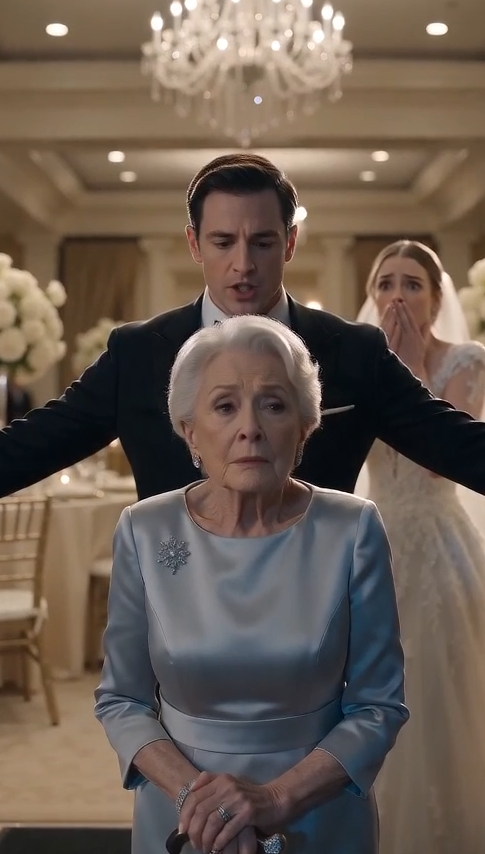
The chandeliers looked exactly as Eleanor remembered them.
But the room felt different.
There were no imported orchids.
No champagne tower.
No photographers waiting to capture a perfect family.
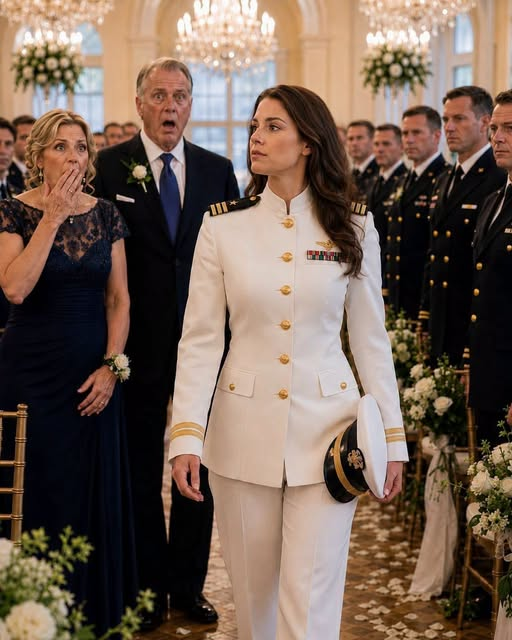
The ballroom was filled with attorneys, social workers, caregivers, business employees, and families who had received help from the Whitmore Advocacy Center.
At the front stood a simple table decorated with gardenias.
Thomas’s favorite flowers.
Mr. Bell met Eleanor at the ballroom entrance.
He smiled and offered his arm.
“Mrs. Whitmore, we have been waiting for you.”
Eleanor looked at the doorway where Grant had once blocked her.
Then she walked through it.
No one stopped her.
The guests rose to their feet.
At the head table, a silver place card waited beside Madison.
ELEANOR WHITMORE — FOUNDER.
Madison hugged her.
“You look beautiful.”
Eleanor wore the same pale silver dress.
Thomas’s brooch still rested above her heart.
During dinner, Henry handed her a letter from Grant.
He had written it from prison.
For the first time, he admitted that his father had been right to limit him.
He admitted he had used Eleanor’s love as proof that she would always rescue him.
He did not ask her to restore his inheritance.
He did not ask her to lie to the parole board.
He asked only for the chance to apologize again someday, after he had become someone capable of understanding what he destroyed.
Eleanor folded the letter.
She was not ready to see him.
But she no longer felt responsible for saving him from every consequence.
That freedom was its own kind of forgiveness.
When Eleanor stood to speak, she looked across the ballroom.
“A year ago, I was told my name was not on the list,” she said. “Today, this room is filled with people who know that dignity should never depend on wealth, age, or someone else’s permission.”
Applause rose around her.
Eleanor placed one hand on her cane and smiled.
Grant had tried to remove her seat from one wedding.
Instead, she had built a larger table for hundreds of people who had once believed they had nowhere to sit.
And when Eleanor returned home that night, she placed Thomas’s photograph beside the center’s dedication plaque.
“We kept the family safe,” she whispered.
Not the family she had once imagined.
May you like

The family that had proven worthy of her love.
What would you have done if your own child locked you outside a celebration paid for with your money?