Chapter 27 - Candace’s Letter
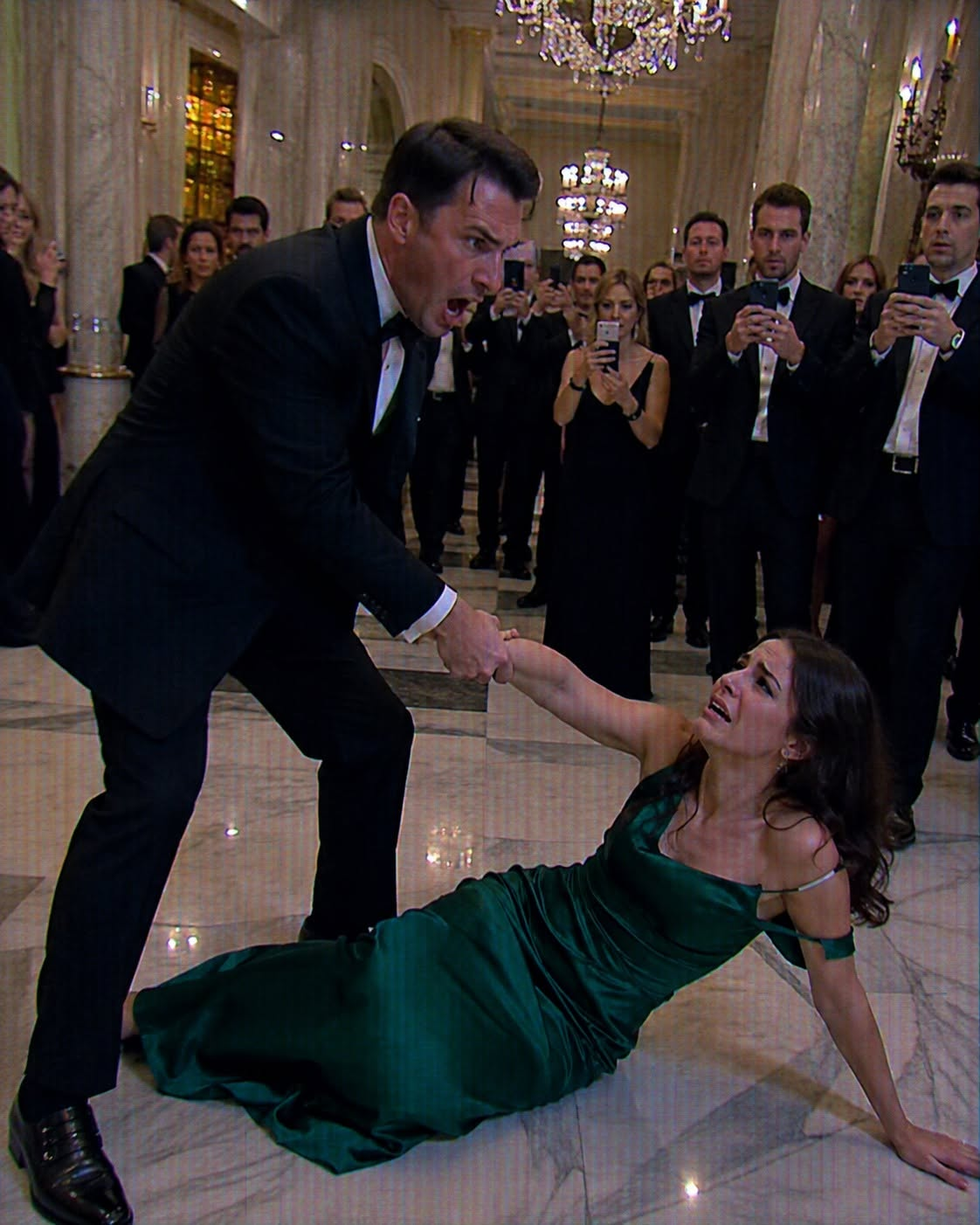
After serving part of her sentence, Candace wrote Lenora.
The letter contained no request for forgiveness.
That surprised her.
Candace described how Darnell first approached her.
He told her Lenora was cold.
Ungrateful.
Financially dependent.
He claimed the marriage existed only for appearances.
Candace believed what made her feel chosen.
She enjoyed Lenora’s humiliation because it proved Darnell preferred her.
Then she wrote:
I knew enough to know I was hurting you. I kept asking whether his version was true because I wanted truth to excuse what I had already chosen.
Lenora read the sentence carefully.
It was the first honest explanation Candace had offered.
Not manipulation.
Not ignorance.
Convenience.
Candace continued.
When your pendant reached Mr. Wilson, I lowered my phone because I became afraid. I wish I could say I suddenly understood your pain. I understood only that power had changed sides.
That is what I am most ashamed of.
Lenora did not respond immediately.
Months later, she sent a brief message through attorneys.
Accountability begins when explanation stops being an excuse. Continue the work.
It was not forgiveness.
It was acknowledgment.
Candace later spoke in financial-ethics programs about complicity and self-serving belief.
She never used Lenora’s name without permission.
Beverly wrote many letters.
Most blamed loneliness, age, Darnell, or misunderstanding.
Lenora answered none.
Different people earned different boundaries.
Healing did not require identical responses to everyone who caused harm.
Lenora could recognize Candace’s growth without inviting her back.
She could understand Beverly’s fear without reopening the door.
She could remember Darnell’s early goodness without questioning the sentence.
May you like



Freedom was not forgetting complexity.
It was deciding that complexity no longer overruled safety.