Chapter 17 - Darnell’s Counterattack
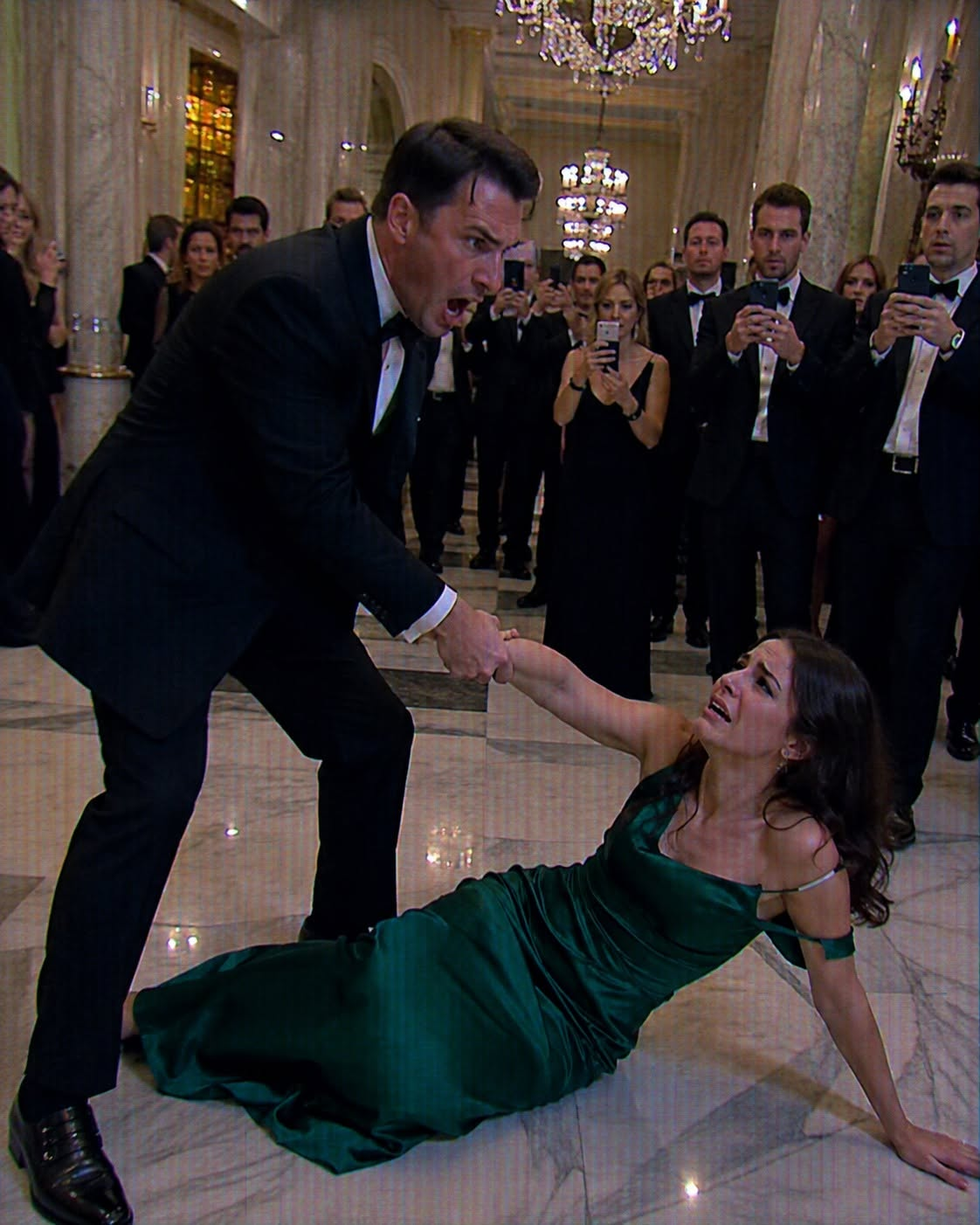
Darnell filed a civil lawsuit from his hotel.
He accused Lenora of fraudulently concealing assets during marriage.
He claimed emotional distress.
Damage to reputation.
Wrongful removal from the company.
His attorney argued that a spouse had a right to understand the household’s true financial position.
Lenora’s legal team produced seven years of tax documents.
Every required disclosure had been made.
The trust assets remained legally separate.
Darnell had signed acknowledgments.
He simply never read them carefully.
The judge dismissed most of the case.
One narrow issue remained concerning compensation for work that increased the value of jointly held company shares.
Lenora did not fight that point.
“If he legitimately earned compensation, calculate it,” she said.
Her attorneys were surprised.
“He tried to steal from you.”
“That does not give me permission to steal from him.”
An independent valuation determined Darnell had earned approximately three million dollars through legitimate executive labor.
That amount was offset by fraudulent transfers, unauthorized personal expenses, and damages.
He owed the company more than he could claim.
The final judgment required him to repay millions.
Darnell left court furious.
Outside, reporters asked whether he regretted the gala.
He answered, “My only mistake was trusting my wife.”
The statement destroyed any remaining sympathy.
Later that evening, he called Candace.
She recorded the call under instructions from prosecutors.
“You gave them everything,” he said.
“You were going to blame me.”
“I would have protected you.”
“You didn’t protect Lenora.”
“She betrayed me first.”
“How?”
Darnell fell silent.
He could not identify a betrayal that existed before his own.
Lenora’s hidden wealth was not theft.
Her boundaries were not betrayal.
Her refusal to surrender was not cruelty.
May you like



Darnell had built his entire defense around the idea that another person’s independence injured him.
The law did not accept that logic.