Chapter 29 - The New Courtroom
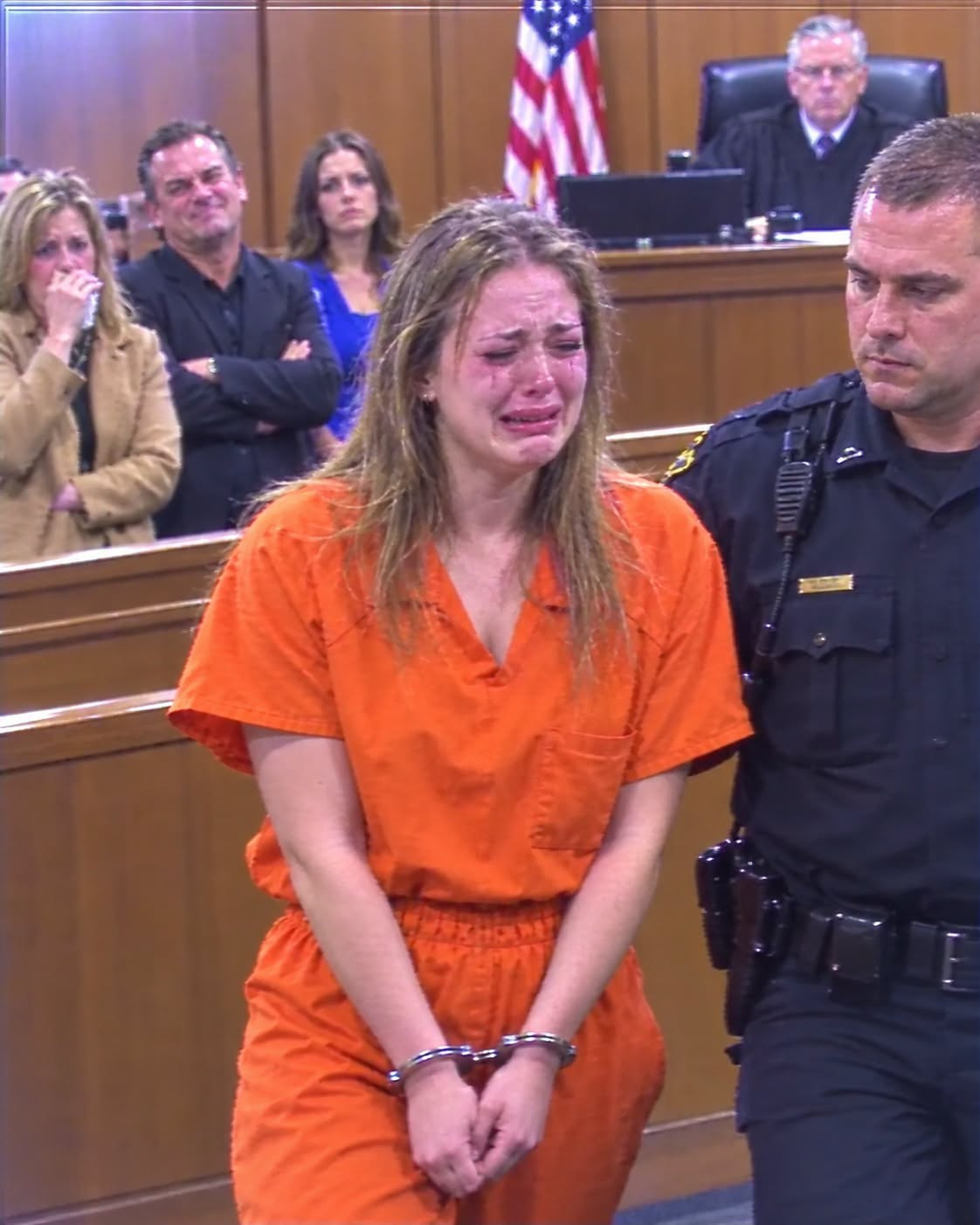
Five years after my exoneration, Arizona invited me to speak at a judicial training program.
The courtroom looked almost identical to the one where I was sentenced.
Warm wood.
Raised bench.
American flag.
Side custody door.
For several seconds, I could not move.
Then Lena touched my arm.
“You choose whether to enter.”
That mattered.
I walked in.
Judges, prosecutors, and defense attorneys listened as I described how emotional narratives overcame missing evidence.
A grieving pregnant woman.
A jealous unmarried sister.
A respected charitable family.
A dead baby.
The story felt true because every role was familiar.
No one asked why the security footage was unavailable.
No one verified the clinic records.
No one investigated the financial motive.
“Wrongful convictions do not always begin with a single corrupt official,” I said. “Sometimes they begin when everyone finds the same story easier than the facts.”
Afterward, the judge who sentenced me approached.
He had retired.
“I’m sorry,” he said.
I believed he meant it.
“I hope you changed how you evaluate withheld evidence.”
“I did.”
That was the only apology I needed from him.
May you like

Not because it erased the sentence.
Because it altered what might happen to the next defendant.