Chapter 17 - THE QUESTION ABOUT HIS NAME
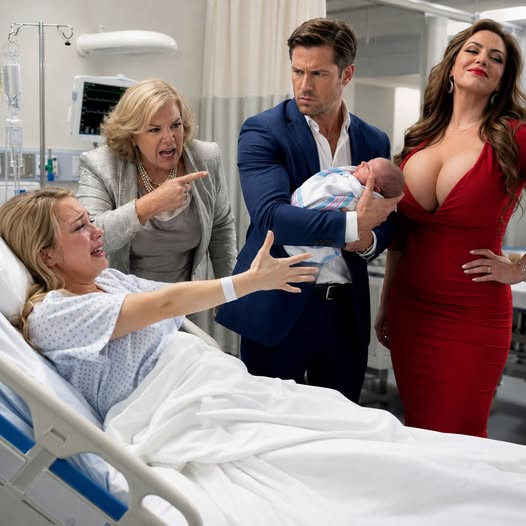
At sixteen, Lily asked whether she could read Adrian’s most recent letter.
The letters had continued arriving through attorneys.
Claire preserved them without showing Lily prematurely.
Some expressed remorse.
Others argued that a child deserved both parents.
The newest was different.
Adrian wrote:
I accept that Lily may never want contact. I am asking only that she know I do not deny what I did.
Claire gave the letter to Lily’s therapist first.
Then Lily read it.
She remained silent for several minutes.
“Do you believe him?” she asked.
“I believe he wrote the words.”
“That’s not what I asked.”
Claire considered.
“I believe he understands more than he did. I don’t know whether understanding has changed him enough to be safe.”
Lily folded the letter.
“He says he loved me.”
“He may believe that.”
“Can someone love you and still do that?”
“Yes.”
Lily looked disturbed.
Claire continued:
“Love is a feeling. Protection is a choice. Feelings do not excuse dangerous choices.”
Lily decided against contact.
She asked to keep the letter.
Claire allowed it.
The decision could change later.
Or never.
Adrian had no right to a predetermined ending.
That year, Lily began volunteering at the maternal-consent center.
She did not publicly identify herself.
She organized files, assembled hospital kits, and listened during youth-advisory meetings.
One afternoon, a pregnant college student arrived with papers calling her a surrogate.
She did not remember signing them.
Lily immediately found a staff attorney.
The documents were fraudulent.
The young woman remained safe.
Afterward, Lily sat beside Claire.
“Is this what happened to you?”
“Similar.”
“How many people don’t have a nurse who notices?”
“Too many.”
Lily chose health-information law as a college goal.
Claire worried she felt obligated by the past.
“I don’t need you to continue my work.”
“I know.”
“You can choose something completely different.”
“I know.”
“Then why this?”
Lily smiled.
“Because I’m good at reading the pages people hope no one reads.”
Claire laughed.
Harrison would have called that a Whitmore trait.
Claire called it Lily’s choice.
Before college, Lily petitioned to retain Whitmore as her surname permanently.
No one opposed.
Adrian’s legal rights no longer included naming authority.
At the hearing, the judge asked Lily why the name mattered.
“It belongs to the family that raised me and the mother whose identity people tried to erase from my birth.”
The petition was granted.
Claire watched her daughter sign.
No hand guided hers.
No hidden page waited beneath another.
The signature was firm.
Lily Whitmore.
After the hearing, Lily asked Claire whether she would ever marry again.
Claire had dated occasionally but never rushed.
“I might.”
“Are you scared?”
“Yes.”
“Would Grandpa investigate him?”
“Only if he wants to lose phone privileges.”
They laughed.
Claire had learned that healing did not require proving she could trust another partner.
Her life was already full.
Still, several years later, she developed a relationship with Dr. Samuel Ortiz, a pediatrician who worked on hospital-consent reform.
He knew her history.
He never treated caution as an insult.
When he proposed, he asked Lily privately whether the idea made her uncomfortable.
He did not ask permission to own a role.
He asked how to enter their family respectfully.
Lily answered:
“Don’t make Mom smaller so you can feel important.”
Samuel said:
“I won’t.”
Claire married him in a small garden ceremony.
She kept Whitmore.
Lily stood beside her.
May you like

Harrison cried openly and denied it afterward.
👉 Adrian tried to construct a family by stealing roles from others, but Claire built one in which every person entered through consent.