Chapter 18 - The Statement No One Expected

Eleanor watched Daniel’s recorded statement privately.
He sat against a plain wall in the correctional facility.
He looked thinner.
“My name is Daniel Hayes,” he began. “I committed financial exploitation against my mother.”
He did not call it a misunderstanding.
He did not say Vanessa manipulated him.
He explained how dependence became expectation.
How expectation became resentment.
How resentment made forgery feel like taking what already belonged to him.
“My mother helped me every time I failed,” Daniel said. “Instead of becoming grateful, I stopped believing failure should cost me anything.”
He described the guardianship petition.
He admitted they planned to turn Eleanor’s reaction into evidence of incompetence.
Then he spoke about Easter.
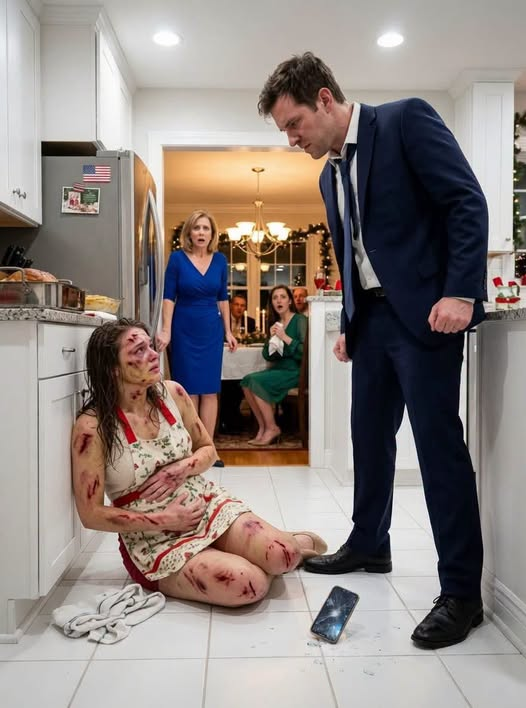
“I watched my wife break an egg over my mother’s head. I smiled because I thought humiliation would make her easier to control.”
His voice faltered.
“The image that follows me is not the egg. It is my mother taking off her apron. She looked at me and understood I had chosen the scheme over her.”
Daniel finished with a warning.
“If someone you love pays your bills, opens their home, or rescues you, that does not make their life yours. Gratitude is not proven by saying thank you. It is proven by respecting the word no.”
Eleanor cried after the video ended.
Ruth sat beside her.
“Will you use it?”
“Yes.”
The statement became part of the Open Door Project’s family-education program.
It was never used to reduce Daniel’s sentence.
He had agreed to that condition.
Families watched it before signing caregiver agreements or shared-housing arrangements.
Several adult children withdrew requests for control over parents’ property after seeing it.
Daniel’s truth began preventing harm he once helped commit.
Eleanor did not call that redemption.
Not yet.
Redemption was not a speech.
It was repeated responsibility over time.
But it was a beginning.
That spring, Daniel became eligible for a supervised video visit with Eleanor.
When his face appeared on the screen, neither knew what to say.
Finally, Daniel looked at her hair.
“You changed it.”
“I cut it shorter.”
He swallowed.
“It looks nice.”
“Thank you.”
Then he said the words he had avoided for years.
“How are you, Mom?”
Not how was the house.
Not what happened to the money.
Eleanor answered honestly.
May you like


“I am learning to be well.”
👉 Daniel’s question did not repair the family, but it was the first conversation in years that did not begin with what he wanted from her.