Chapter 18 - THE YEARS AFTER EVIDENCE
Freedom did not feel peaceful immediately.
Evelyn woke at small sounds.
She kept her phone charged beside the bed.
She photographed minor bruises from bumping into furniture before remembering no one would accuse her of inventing them.
During meetings, raised male voices made her ribs ache.
The body kept dates even after courts did not need them.
Evelyn began trauma therapy.
She stopped measuring progress by whether she still felt afraid.
She measured it by choice.
She chose where to sit.
Who could call.
Which doors remained locked.
When to leave a conversation.
She resigned as interim chair after eight months, exactly as promised.
Whitmore appointed an experienced healthcare executive through an independent search.
Evelyn remained a director and chaired the ethics committee.
She returned to compliance work because she loved it, not because the company required another rescue.
Whitmore became employee-owned in part.
Major related-party transactions required public internal disclosure.
No executive spouse could serve as vendor without independent review.
Medical leave could not be used to suspend shareholder rights without court oversight.
Evelyn also created the Dated Evidence Initiative.
The program helped survivors preserve photographs, voicemails, financial records, and medical documentation safely.
It partnered with hospitals, libraries, shelters, and legal clinics.
Tessa Grant became its first director.
The principle was simple:
A person should be believed before documentation.
Documentation should exist because systems often fail to believe them.
The initiative never told survivors to remain in danger gathering proof.
It taught secure preservation from evidence already created through medical care, messages, bank alerts, and witnesses.
Evelyn spoke publicly only after establishing strict boundaries.
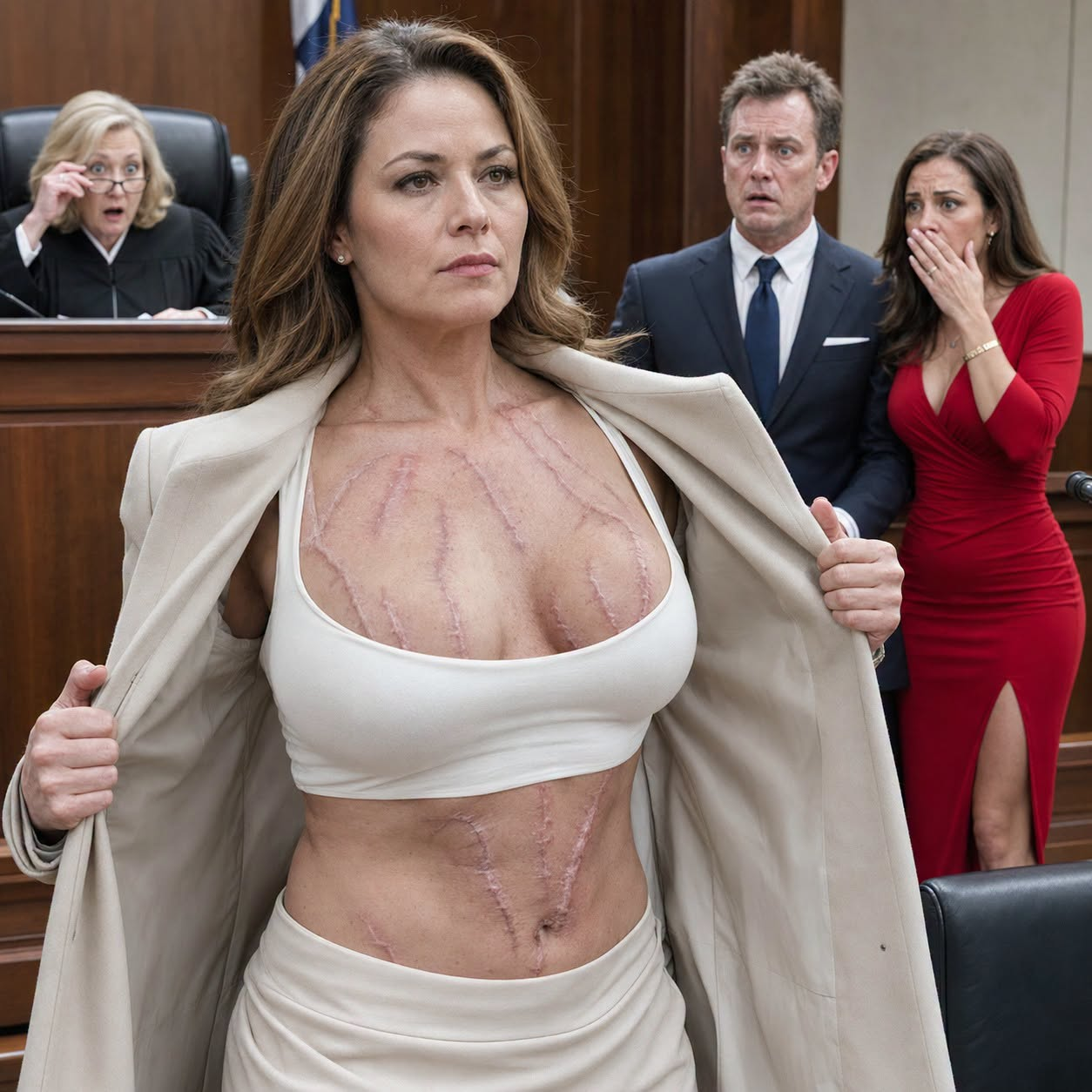
She did not display her scars at events.
The courtroom had required that choice once.
Her body was not a permanent exhibit.
Margaret wrote letters.
The first centered her own guilt.
Evelyn did not answer.
Later letters became shorter.
They included no request for forgiveness.
After three years, Evelyn agreed to one supervised meeting with a therapist present.
Margaret apologized without blaming Daniel.
Evelyn accepted the apology.
She did not restore the old relationship.
They began with occasional letters.
Trust, like evidence, required dates and consistency.
One afternoon, the hospital nurse who had documented Evelyn’s fractured ribs visited the initiative.
She carried a copy of the original intake note.
Patient whispered, “Please document everything.”
Evelyn touched the paper.
“That sentence saved part of my life.”
The nurse shook her head.
May you like


“You saved it. I only listened.”
👉 Evelyn stopped treating her scars as the center of her identity, but one final return to the divorce courtroom would show how completely their meaning had changed.