Chapter 16 - THE QUESTION SURVIVORS ALWAYS HEAR
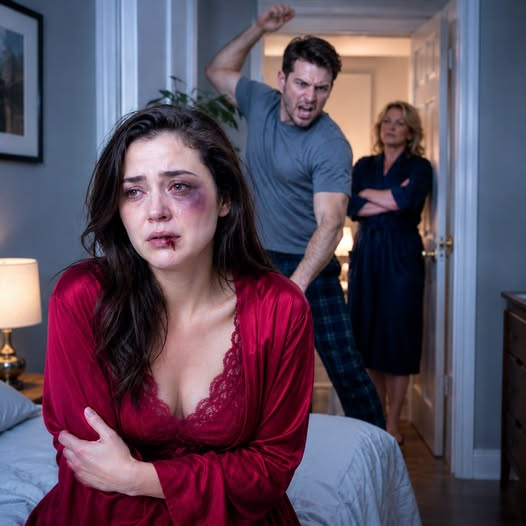
Rachel began speaking publicly only after the foundation opened.
She refused television interviews focused on the attack.
She accepted discussions about financial coercion, corporate controls, and safe reporting systems.
At nearly every event, someone asked:
“Why didn’t you leave earlier?”
Sometimes the question came gently.
Sometimes it carried accusation.
Rachel answered differently depending on the room.
At a legal conference, she explained documentation, housing, account access, and escalation risk.
At a corporate workshop, she described how abusers use employees and business survival as leverage.
At the foundation, speaking privately with survivors, she answered simply:
“Because leaving is not one decision. It is a series of conditions that must become possible.”
Derek controlled company accounts.
Marlene monitored household staff.
Charles controlled board votes.
Dr. Foster created false medical records.
The insurance policy rewarded Rachel’s death.
Leaving publicly without evidence might have allowed Derek to seize the company and portray her as unstable.
None of that made staying safe.
It explained why escape required planning.
Rachel stopped judging her past self with information she had only gained later.
Therapy helped.
So did ordinary life.
Buying groceries without reporting the cost.
Sleeping with the bedroom door open.
Turning off her phone without fearing a confrontation.
Choosing furniture no one mocked.
She moved into a modest apartment overlooking a park.
No guesthouse.
No private club.
No rooms designed to impress strangers.
At first, she installed cameras everywhere.
Over time, she removed some.
Security could protect her.
Constant surveillance could also keep fear in charge.
She kept the front-door camera and alarms.
The bedroom ceiling remained empty.
Elena became a close friend, but not Rachel’s only support.
Rachel rebuilt relationships Derek had discouraged.
Former coworkers.
College friends.
A cousin Marlene called “a bad influence” because she questioned Derek’s behavior.
Rachel apologized for disappearing.
Some relationships returned.
Others did not.
Healing did not guarantee every loss could be reversed.
A year after the trial, Rachel received the first letter from Derek.
He claimed prison had changed him.
He described Marlene as the source of his entitlement.
He said the company pressure made him violent.
He remembered good years in the marriage.
Rachel read one page.
Then she stopped.
Derek still described abuse as something external that happened through him.
He did not name his choices.
Rachel returned the letter through his attorney with one sentence:
Do not contact me again.
The no-contact order was made permanent.
Marlene sent no apology.
She filed appeals blaming Rachel, Savannah, Charles, and the government.
Every appeal failed.
Bennett Safe Futures Foundation assisted more than two hundred people in its first year.
One resident was a company founder whose husband secretly borrowed against her business.
Another was a nurse whose mother-in-law controlled household money and medication.
A third arrived barefoot at two in the morning.
Rachel saw her own escape in the woman’s trembling hands.
She did not ask for details immediately.
She gave her a blanket.
Water.
A locked room.
Choice.
Later, the woman said:
“I thought I needed perfect proof before anyone would help me.”
Rachel pointed toward the glass case holding the smoke detector.
“Proof helps court. You deserve safety before court.”
The foundation’s second-year funding agreement required Rachel’s signature.
She read every page.
Then she added a clause guaranteeing emergency assistance even when survivors had no recordings, photographs, or witnesses.
May you like
The board approved it unanimously.
👉 The camera had preserved Rachel’s truth—but her greatest act was building a place where someone else would not need a camera to be believed.