Chapter 4 - THE WIDOWS’ LEDGER
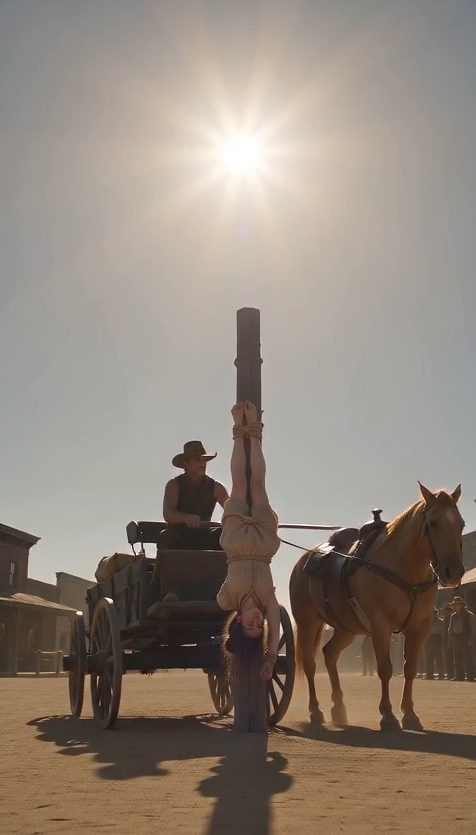
Clara refused to leave town.
Elias argued.
Ruth begged.
Even the blacksmith warned that Silas controlled the acting deputy badge, the jail keys, and half the men who served on the town council.
Clara listened to every warning.
Then she reopened Owen’s printing office.
The old press groaned when she turned the wheel.
Dust rose from trays of metal type.
By evening, a new notice appeared in the front window:
PROPERTY CLAIMS REVIEWED FREE OF CHARGE.
Widows, ranchers, and shopkeepers began arriving after dark.
Most came through the rear door.
Mrs. Abernathy brought a tax notice claiming her husband owed fees dated two years after his death.
A Mexican rancher named Mateo Ruiz produced a deed with a signature he could not write.
The widow from the stagecoach station showed Clara a foreclosure notice issued by a bank that did not exist.
Every document transferred land to a company connected to Mayor Vane.
Clara copied names, dates, and property descriptions into a ledger.
The pattern became impossible to dismiss.
Vane selected land near the proposed railroad route.
Silas manufactured debts.
The acting town clerk recorded false transfers.
Families were threatened until they left.
Owen had discovered the same scheme.
He had probably hidden the missing journal pages because they contained the full list.
Late one evening, Clara heard glass break in the front room.
A stone had been thrown through the window.
A note was tied around it.
LEAVE BEFORE YOU JOIN YOUR HUSBAND.
Ruth wanted to take the note to Silas.
Clara shook her head.
“We would be handing the threat to the man who sent it.”
The following morning, Mayor Amos Vane visited.
He was silver-haired, soft-spoken, and known for donating money to the church.
He expressed outrage over the threat.
“Silas can be overprotective of the town’s reputation,” he said, “but he would never harm a woman.”
Clara placed the forged deeds before him.
Vane glanced at them without surprise.
“Frontier paperwork is often imperfect.”
“Dead men do not sign tax agreements.”
“Grief can cause people to see patterns where none exist.”
“You said something similar after Owen died.”
Vane’s smile faded.
He offered Clara twice the amount Silas had proposed for the printing office.
She refused.
He stood to leave.
At the door, he paused.
“Your husband was a good man. Unfortunately, good men often mistake stubbornness for courage.”
That night, someone entered the office through the roof.
The intruder ignored the cash drawer.
He searched the trunk and scattered Owen’s maps across the floor.
The widows’ ledger was hidden beneath Clara’s mattress in the upstairs room.
It remained untouched.
But one item was missing.
A brass printing plate Owen had engraved shortly before his death.
Clara had not known what the marks on it meant.
Elias did.
When she described the plate, his expression changed.
May you like


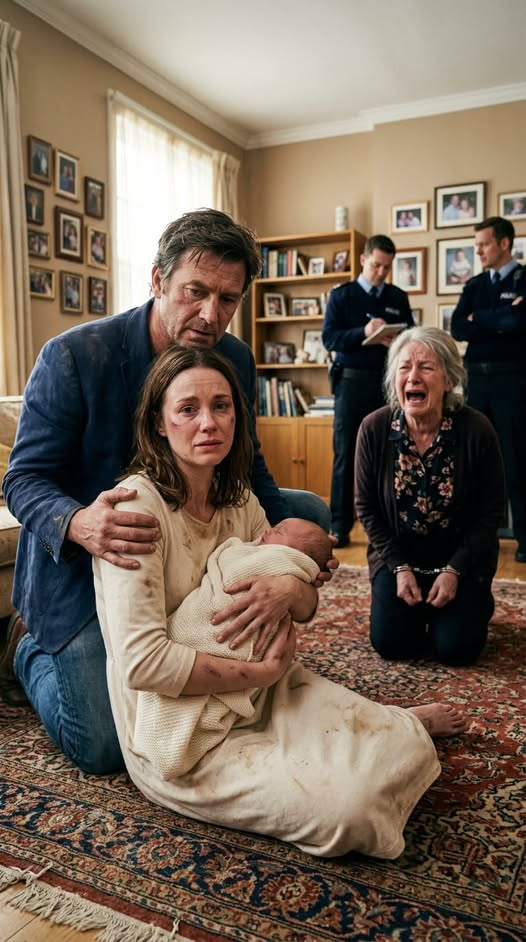
“It wasn’t for printing words,” he said. “It was a map.”
👉 Owen had hidden the location of the surviving survey stone in plain sight, and Silas now possessed half the directions to it.