Chapter 14 - MARGARET’S FINAL PLAN

The recordings from Margaret’s office were played on the fourth day.
Her voice was calm.
Confident.
Certain that Vivian would never hear the truth.
In the first recording, Margaret discussed the forged merger with Malcolm Price.
Once Theodore controlled Willow Creek, Vivian would be removed from the mansion.
Malcolm asked where she would go.
Margaret answered:
“Somewhere small enough to remind her what she was before us.”
In another recording, Theodore worried Vivian might contest the documents.
Margaret responded:
“Then Randall declares her unstable. We say she is grieving, paranoid, and dangerous with money.”
Malcolm asked whether Vivian’s professional reputation would make that difficult.
Margaret laughed.
“Reputation belongs to whoever tells the story first.”
The final recording was made three days before the anniversary dinner.
Margaret had outlined the entire evening.
The family would witness Vivian refusing what Margaret called a reasonable household agreement.
Wine would be served heavily.
Theodore would provoke her.
If Vivian raised her voice, Randall would claim she was experiencing a breakdown.
If she tried to leave, Margaret planned to have her car blocked.
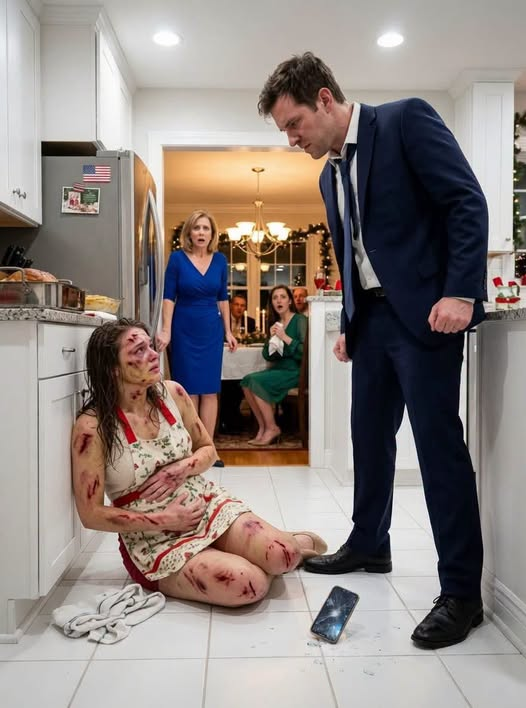
If she refused to sign, Theodore would take her phone and prevent her from contacting Naomi until morning.
By then, Malcolm intended to file the forged documents.
The slap was not specifically ordered.
But humiliation, isolation, and coercion were.
Margaret listened to her own voice without visible emotion.
Her attorney argued that the conversations were only frustrated family planning.
The prosecutor asked Margaret whether taking Vivian’s phone had been discussed.
“Yes.”
Blocking her car?
“Yes.”
Falsely declaring her incompetent?
Margaret paused.
“Randall believed she needed help.”
Randall had already confessed.
Margaret’s attorney closed his eyes.
The prosecutor approached the witness stand.
“Why did you believe the mansion belonged to you?”
“Because my family built it.”
“The bank foreclosed on it.”
“Vivian took advantage of our hardship.”
“She paid the debt, taxes, repairs, and staff.”
“She married into our name.”
The prosecutor held up the deed.
“Did your name pay for this property?”
Margaret’s composure cracked.
“You people do not understand legacy.”
Vivian did.
Margaret believed legacy meant receiving the benefits of sacrifice without remembering who made the sacrifice.
It meant calling someone an outsider while spending her money.
It meant confusing possession with entitlement.
Margaret continued testifying against her attorney’s advice.
She insisted Vivian had always wanted the Ashford life.
The prosecutor asked why Vivian would need to steal a life she had personally financed.
Margaret had no answer.
Then Naomi presented the $74,000 necklace invoice.
The purchase had been made the same day employees were told the company could not fund their health plan.
Margaret claimed she deserved the necklace after everything she had endured.
The jury looked at her differently after that.
Not as a frightened mother protecting a family.
As a woman who believed every person around her existed to maintain her comfort.
After eight days, the prosecution rested.
The defense called no further witnesses.
Margaret still expected Theodore to protect her during closing arguments.
Instead, he submitted an additional statement.
He admitted Margaret had encouraged him to marry Vivian after learning Henry Hart’s daughter controlled valuable capital.
Margaret turned toward him.
“You ungrateful coward.”
The judge ordered her silent.
Theodore finally looked at his mother.
“You taught me to survive by sacrificing whoever trusted me.”
Margaret stared at him.
May you like


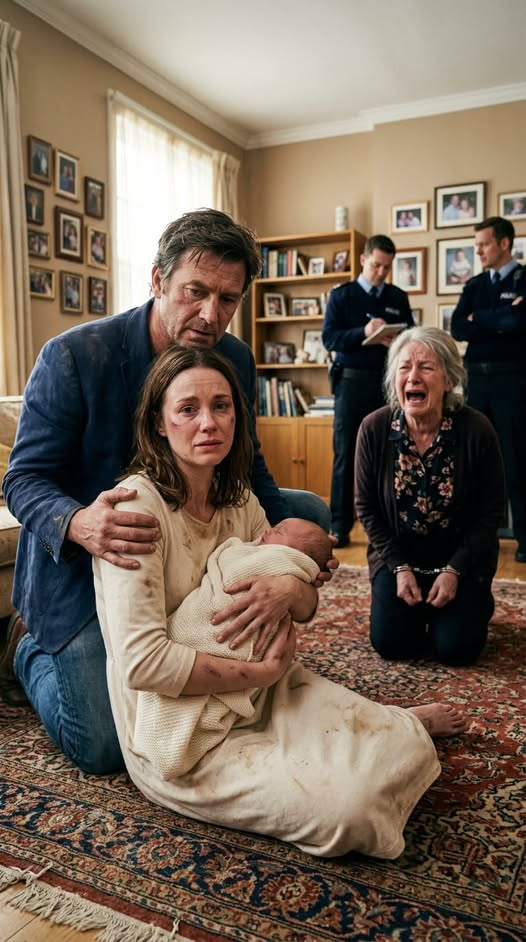
“And you learned very well.”
👉 Mother and son had finally turned on each other, but the verdict would decide whether Vivian’s truth carried more weight than the Ashford name.