Chapter 29 - Dererick’s Appeal
Dererick appealed his conviction twice.
Both appeals failed.
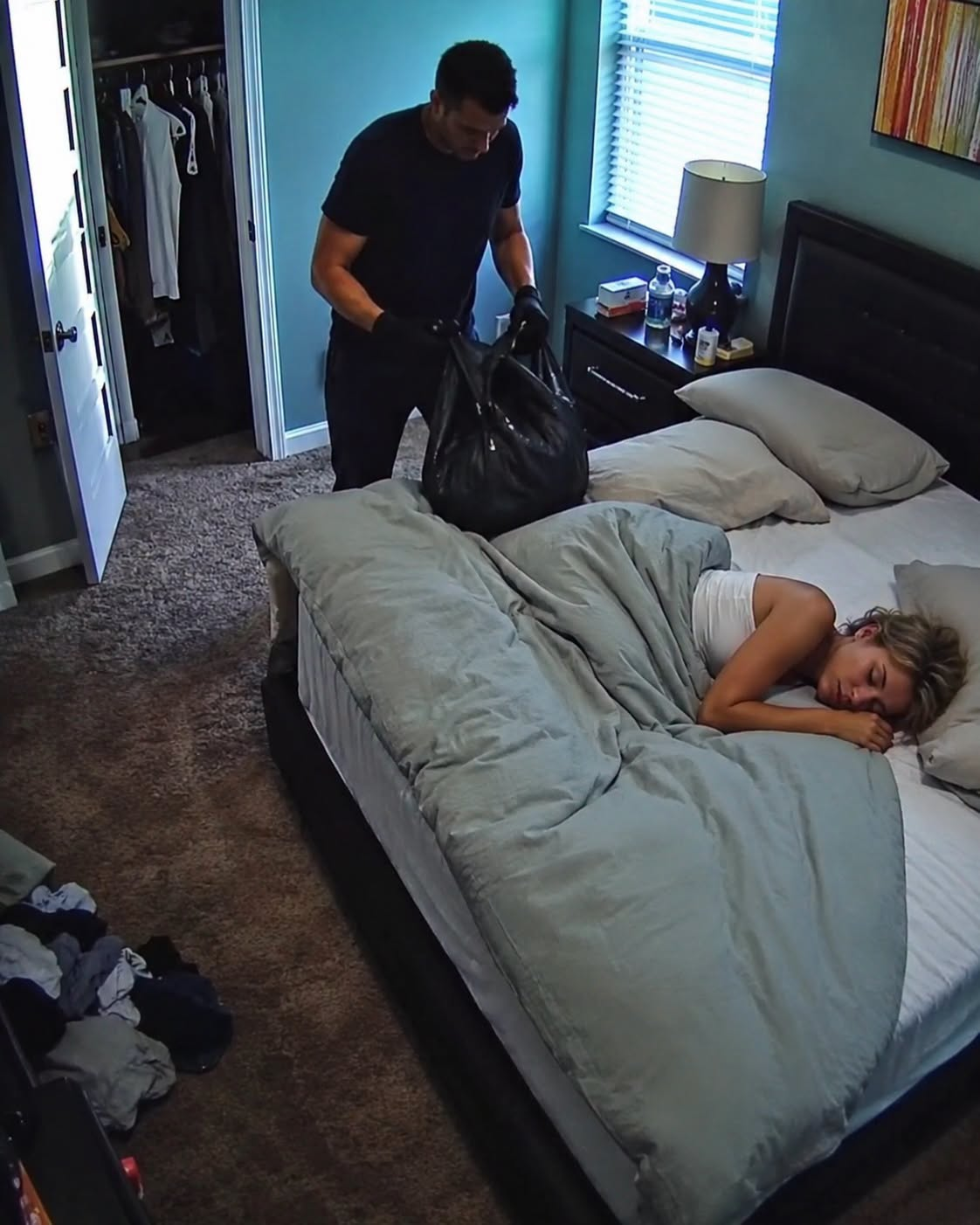
In his final petition, he argued Anna’s secret recording violated marital privacy.
The court ruled that the recordings were admissible because they documented criminal acts and because Dererick himself operated the bedroom camera.
His own device destroyed his privacy argument.
Vale died in prison after twelve years.
He never admitted responsibility.
Dererick continued writing letters to Anna.
She returned every one unopened.
Then one envelope arrived from a prison chaplain.
Inside was a statement Dererick prepared for a restorative-justice program.
Anna considered discarding it.
Instead, she asked Rebecca to read it first.
Rebecca summarized the contents.
Dererick blamed ambition.
Vale.
Melissa.
Evelyn’s stubbornness.
Anna’s suspicion.
Everyone except himself.
At the final paragraph, he wrote:
Had Anna trusted me that night, none of this would have happened.
Anna laughed when Rebecca read it.
Not because it was funny.
Because Dererick had learned nothing.
His definition of trust remained obedience.
Anna instructed Rebecca to destroy the letter.
She did not owe him her attention.
Months later, Anna was invited to speak at a judicial conference.
A judge asked what single procedural change might have protected her earlier.
Anna answered:
“Independent evaluation.”
Vale had been chosen by Dererick.
The competency petition relied on Vale’s records.
The estate paperwork was prepared by attorneys Dererick contacted.
Every supposedly neutral system passed through the same person controlling Anna.
New state rules later required separate medical review in emergency competency cases involving major property transfers.
The reform could not return Evelyn.
It could not erase Anna’s lost years.
But it made the same scheme harder to repeat.
May you like



Dererick once believed he could rewrite reality with paperwork.
Anna used paperwork to close the path behind him.