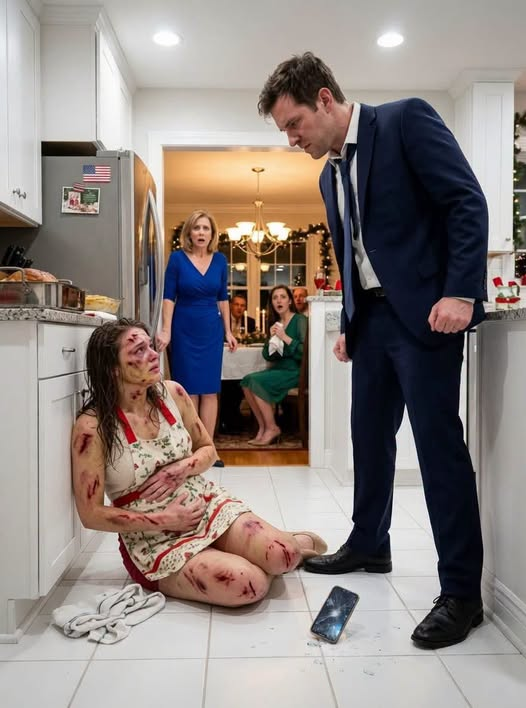
Chapter 14 - THE FATHER WHO CALLED IT SACRIFICE

Douglas described Carter Home Concepts as his life’s work.
He employed twenty-seven people.
When contracts failed, he needed immediate money.
The trust appeared to him like unused capital.
“Mia was already succeeding,” he said. “Ethan needed opportunities.”
The prosecutor stood.
“Who decided Mia needed less protection?”
“She was independent.”
“She was eighteen.”
“She had scholarships.”
“One of which your wife hid.”
Douglas looked toward Sharon.
“She handled the mail.”
Sharon’s attorney objected.
The judge overruled him.
Douglas continued blaming her.
Sharon responded by authorizing her attorney to release messages showing Douglas designed the loan scheme.
Their marriage collapsed publicly as each tried to move responsibility to the other.
The prosecutor returned to Douglas.
“You said Mia could carry more.”
“Yes.”
“So you borrowed in her name.”
“To save the company.”
“You sold property belonging to both children.”
“To preserve jobs.”
“You rejected an offer that would have repaid the trust.”
“The offer removed me from leadership.”
“Then preserving jobs was not enough. You needed to remain president.”
Douglas became angry.
“I built that company.”
“Mia built her academic career. Why was yours worth protecting with hers?”
Douglas had no answer.
The prosecutor displayed the graduation plan.
“You intended to call her a failure before hundreds of people.”
“She was destroying us.”
“She graduated with honors while working three jobs.”
“She turned against her parents.”
“She discovered the truth.”
Douglas looked toward Mia.
“You could have come to me.”
“I did,” she said from the gallery before the judge stopped her.
Douglas had forgotten the kitchen letter.
Or perhaps he believed demanding her signature counted as a conversation.
Sharon testified the following day.
She cried frequently.
She said Douglas frightened her.
Then prosecutors showed the two airline tickets purchased through her personal account.
The trust checkbook found in her luggage.
The burner phone she used to contact the offshore bank.
The scholarship letter hidden inside her cabinet.
“Why did you conceal the full scholarship?” the prosecutor asked.
Sharon’s voice became small.
“Douglas said we needed the refunds.”
“Did you agree?”
“I wanted to keep the house.”
“By placing your daughter into debt?”
“She was going to earn good money after graduation.”
The courtroom became silent.
Sharon believed Mia’s future salary justified stealing from her present.
When asked why she called Mia a failure, Sharon answered honestly.
“I needed people to understand she wasn’t innocent.”
“What had she done?”
“She refused to protect us.”
That sentence ended any remaining image of a confused mother.
The trial closed after three weeks.
During final arguments, the prosecutor stood beside Mia’s yellow envelope.
“This case began with parents who believed their daughter’s silence belonged to them. They used her identity, education, inheritance, labor, and love. When she finally spoke, they attacked her character in front of the people celebrating what she had achieved despite them.”
The jury left to deliberate.
Mia waited with Ethan and Naomi in a courthouse room.
Ethan stared at the floor.
“What if they go to prison for years?”
Mia answered softly.
“Then it will be because of what they did for years.”
May you like



Eight hours later, the jury returned.
👉 The verdict would not restore Mia’s lost college years—but it would decide whether her parents’ definition of family still carried legal power.