Chapter 16 - The Sentence

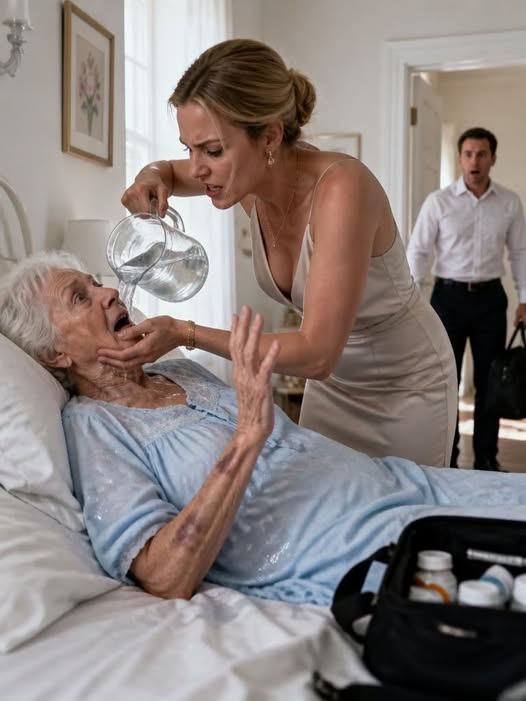
Vanessa received a substantial prison sentence.
The judge described the assault as the visible end of a calculated campaign.
“You did not lose control at dinner,” the judge said. “You attempted to establish control over another person’s body, reputation and home.”
Vanessa was ordered to pay restitution to Eleanor, Voss employees and the other targeted homeowners.
Her business license was revoked.
She was permanently prohibited from acting as a fiduciary, financial representative or paid caregiver for an older adult.
Daniel received a shorter sentence that included home confinement, probation, restitution and mandatory counseling.
His cooperation reduced the punishment.
His relationship with Eleanor did not reduce the harm.
Before sentencing, he addressed the court.
“I loved my mother.”
Eleanor listened without expression.
“I told myself Vanessa was helping. Every time evidence contradicted that belief, I chose not to look because looking would require me to act.”
He turned toward Eleanor.
“I am sorry I let fear make you the person who paid for my mistakes.”
It was the first apology that did not ask her to rescue him.
Eleanor still did not forgive him immediately.
After court, Daniel asked whether he could call.
“Not yet.”
“Can I write?”
“Yes.”
He wrote once a month.
He did not complain about consequences.
He described counseling.
He repaid money from the sale of his car and investments.
He found a smaller apartment after losing the marital home.
He began working with an organization educating families about elder financial abuse.
Eleanor remained cautious.
Accountability could be genuine.
It could also become another performance.
She watched what he did over time.
Helen revised the family trust.
Daniel remained a future beneficiary of a limited amount, but he would never serve as trustee.
Most of the estate would eventually support Eleanor’s chosen charities and a fund for older fraud victims.
Daniel signed a statement acknowledging that the decision belonged entirely to his mother.
He did not protest.
That mattered.
A year after the trial, he asked to visit Robert’s grave with her.
Eleanor agreed to meet him there.
Not at the house.
Not yet.
They stood beside the headstone in light rain.
Daniel touched his father’s name.
“Dad would be ashamed of me.”
Eleanor looked at him.
“Your father would ask what you are doing now.”
Daniel nodded.
“I’m trying to become someone who moves when the plate rises.”
Eleanor felt tears.
May you like



But she did not confuse emotion with restored trust.
👉 Daniel had begun changing, yet Eleanor would decide when—or whether—the front door of her home opened to him again.