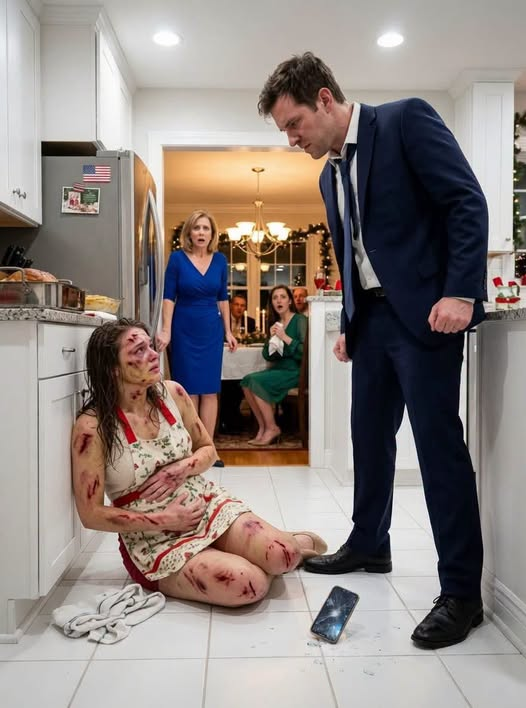
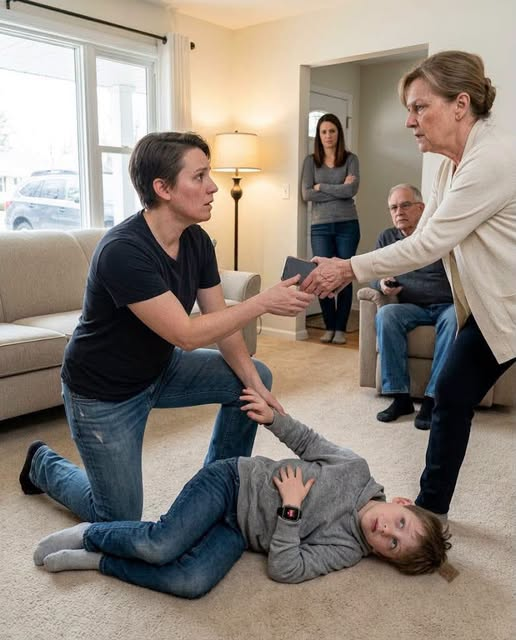
Chapter 18 - SHE WAS NEVER EXPENDABLE
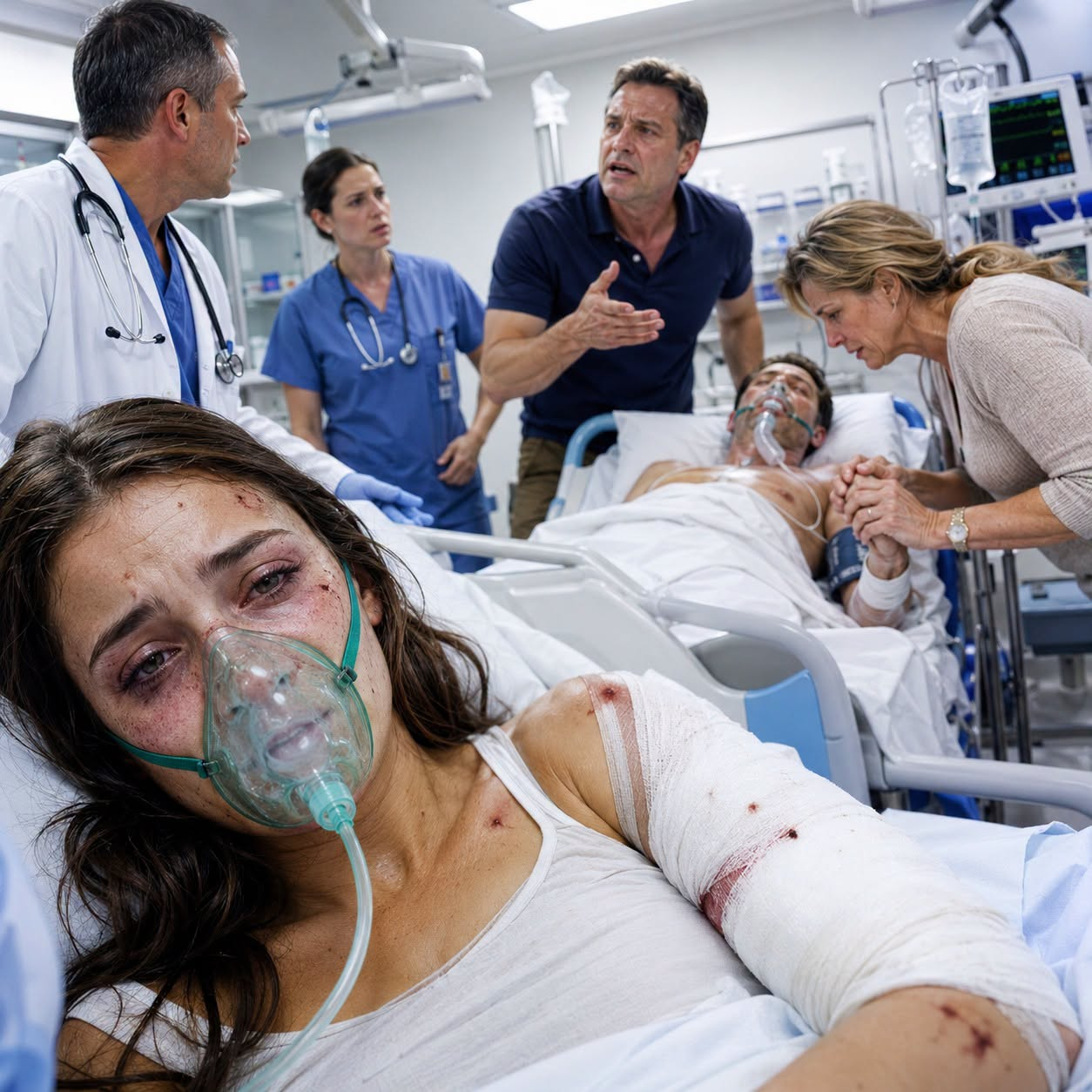
Claire established the Expendable No More Trust on the tenth anniversary of the hospital attack.
She disliked the phrase.
That was why she chose it.
Richard and Marianne had used one word to reduce her entire life.
Claire wanted the word permanently attached to the opposite meaning.
The trust funded independent patient advocates in trauma centers, identity restoration for kidnapped or illegally adopted adults, and emergency legal protection when families attempted to control incapacitated patients.
No Whitmore executive controlled it.
No spouse inherited authority automatically.
Patients and former clients held permanent board seats.
The organization’s first national conference took place inside the hospital where Claire and Daniel had been treated.
Dr. Patel attended.
Olivia stood beside the stage.
Naomi had retired but sat in the front row.
Victoria arrived without security and complained about the uncomfortable chairs.
Daniel watched through a private livestream Claire had chosen to permit.
He was not presented as family or villain.
He was simply one person affected by the truth.
Claire stood at the podium wearing no corporate insignia.
Only the locket.
Behind her, the screen displayed the emergency-room transcript.
MARIANNE CARTER: SHE’S EXPENDABLE.
RICHARD CARTER: TAKE WHATEVER HE NEEDS FROM HER.
DR. MAYA PATEL: SHE IS ALSO MY PATIENT.
NURSE OLIVIA REED: SHE’S CONSCIOUS.
Claire faced the audience.
“The most important sentence is not the cruelest one.”
She pointed toward Olivia’s words.
“She’s conscious.”
The room became silent.
“My life changed because someone noticed that my body was still communicating after my family decided my wishes no longer mattered.”
Claire described how institutions could prevent similar abuse.
Verify guardianship.
Separate relatives from patients.
Test every possible communication method.
Treat donor consent as specific, current, and voluntary.
Never assume one child’s life is a resource for another.
She then announced the final disposition of her inherited fortune.
Part remained in a protected family trust for Claire, Marcus, and Thomas.
Part supported Victoria’s charitable work.
The largest share funded the Patient Voice network permanently.
Claire did not give away everything.
She no longer believed goodness required self-erasure.
She retained wealth, comfort, and choice.
The difference was that no one else decided what she owed.
After the conference, Claire returned to the trauma room.
It had been renovated, but the basic shape remained.
Two beds.
A curtain.
Cold lights.
She stood where her bed had been.
Victoria entered only after knocking.
“Ready to go?”
“In a minute.”
Claire touched the locket.
“Do you ever wish we could erase this room?”
Victoria looked around.
“I wish you had never needed it.”
“That’s not the same answer.”
“No.”
Claire smiled faintly.
Neither woman believed healing required gratitude for suffering.
They left together.
In the hallway, a nurse knelt beside a patient who could not speak.
“Blink once for yes,” she said. “Twice for no.”
The patient blinked.
The nurse waited for the answer.
Claire stopped walking.
Victoria followed her gaze.
“You did that.”
“We did.”
Olivia noticed.
Dr. Patel refused.
Naomi preserved.
Victoria arrived.
Claire tapped.
Power had not belonged to one dramatic rescuer.
It had moved through every person who treated Claire as fully human.
Richard and Marianne remained in prison for the rest of their lives.
Claire did not visit.
Marianne died still insisting she had been Claire’s real mother because she raised her.
Claire mourned privately.
Not the woman Marianne chose to become.
The mother Claire once believed she had.
Richard outlived her and continued filing failed appeals.
His refusal to accept reality no longer shaped Claire’s own.
Daniel built a modest life and never again asked Claire for money, blood, or forgiveness.
Their relationship remained limited but honest.
Victoria became Grandma to Thomas.
She spoiled him.
Claire set boundaries.
Victoria complained, then followed them.
The matching lockets eventually passed to Claire’s son with a written explanation:
These do not prove who owns you. They prove someone kept looking.
Years after Claire retired from law, hospitals still taught the Two-Tap Protocol.
Patients who could not speak used fingers, eyes, switches, and screens to direct their own care.
Families learned that love did not outrank consent.
Doctors learned that silence was a condition to investigate, not permission to assume.
Claire had entered the emergency room as the daughter everyone believed could be spent to save someone else.
She left it as the woman who forced an entire system to recognize one permanent truth:
May you like


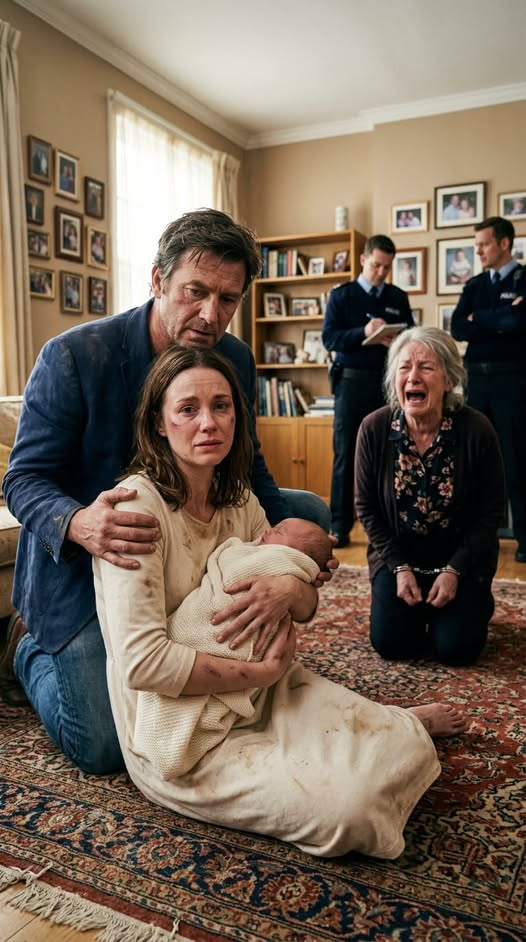
No life becomes less valuable because another person is loved more loudly.
Would you ever forgive the parents who raised you after learning they stole your identity and treated your body as something their son was entitled to use?