Chapter 15 - THE TWO-TAP PROTOCOL
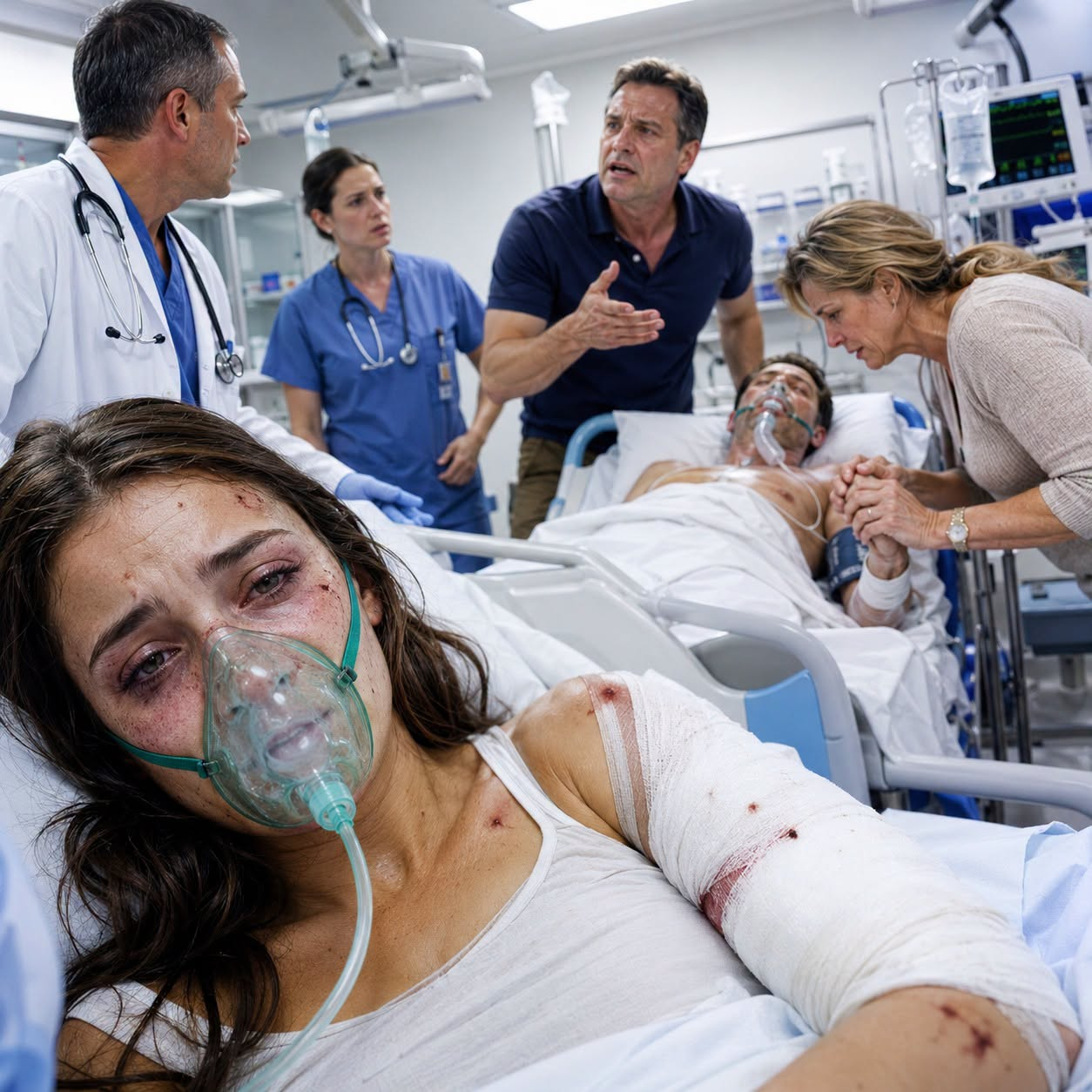
The hospital called the new system the Two-Tap Protocol.
Claire disliked the name at first.
“It sounds too much like my private moment.”
Olivia Reed suggested a broader title.
The Patient Voice Verification Protocol.
Its symbol remained two small marks separated by a line.
The protocol required staff to test communication directly with any conscious or possibly conscious patient before accepting family decisions.
Finger taps.
Blinking.
Eye movement.
Writing.
Assistive technology.
No family member could override a patient merely because speech was impossible.
Suspicious donor directives required independent review.
Medical proxies created shortly before an injury triggered legal verification.
Separate advocates spoke to patients without relatives present.
The program also trained staff to recognize language like:
She’s confused.
He can’t understand.
We know what she would want.
Save the other child first.
Claire helped write the guidelines with doctors, disability advocates, nurses, and legal experts.
She refused to build the program around famous families.
“No one should need Victoria Whitmore outside the door.”
Victoria agreed.
The Whitmore Foundation funded pilot programs but held no control over patient decisions.
Claire insisted independent hospitals manage the standards.
The first major case involved an elderly man whose son wanted to withdraw treatment.
A nurse noticed the patient blinking in response to questions.
He later recovered enough to reveal financial coercion.
Another case involved a disabled woman whose parents tried to authorize a surgery she had refused.
An eye-tracking device preserved her choice.
Claire read each outcome privately.
She did not turn them into proof that her suffering had been necessary.
Nothing made the kidnapping or crash necessary.
Good work could grow after harm without justifying it.
The trust also funded investigations into falsified birth and guardianship records.
Several adults discovered identities altered during illegal adoptions.
Claire met people whose stories resembled hers.
Some wanted relationships with biological families.
Some did not.
Some loved the parents who had adopted them despite unlawful paperwork.
Others pursued prosecution.
Claire never told them the correct emotional ending.
She knew better than anyone that facts could be clear while family remained complicated.
Victoria gradually stepped back from Whitmore Global.
She appointed independent leadership rather than placing Claire in the role.
Reporters asked whether the lost heiress would inherit the company.
Claire answered:
“I inherited myself first.”
The quote became famous.
She found the attention embarrassing.
But the meaning remained true.
The Carters had treated her identity as an account, a medical resource, and a secret.
The Whitmore name could become another form of ownership if Claire allowed it.
She chose where to participate.
She chose when to disappear from public view.
She chose which birthday cards to open.
One evening, Olivia returned Claire’s original broken oxygen mask and hospital bracelet after the criminal case released them from evidence.
Claire placed the bracelet inside the locket’s storage box.
She did not keep the mask.
Some objects preserved history.
Others preserved fear.
She was allowed to choose.
That same week, Claire received notice that Richard had requested an appeal based on his claim that Victoria influenced the hospital.
The court rejected it.
The nurse’s recording, DNA, financial records, and forged documents existed independently of Victoria’s power.
May you like
Richard’s final legal strategy failed because the evidence did not need wealth to remain true.
👉 Richard had always taught Claire that powerful people controlled reality—but the case against him survived because ordinary professionals refused to let power replace proof.