Chapter 12 - The Door That Stayed Open
Two years later, Natalie stood in a hospital conference room with sunlight across the floor.
Not as a patient.
As a speaker.
The hospital had invited her to help launch a new domestic violence evidence-preservation protocol for emergency departments.
She almost said no.
Then Liam reminded her, “You don’t have to tell the worst parts to prove you survived them.”
So she came.
Her hair was shorter now.
Her scars had faded.
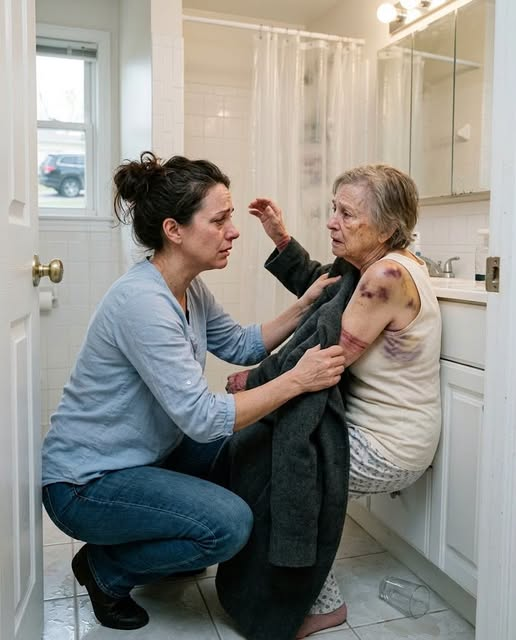
Some pain remained in her shoulder when it rained, and she still avoided certain bathrooms with white tile.
Healing was not a movie scene.
It was smaller.
Stranger.
A good night of sleep.
A door unlocked because she chose it.
A phone she no longer hid.
A home where silence felt peaceful instead of dangerous.
Liam sat in the front row in his navy scrubs.
Marisol, her advocate, sat beside him.
Several nurses from the ER were there too.
The same charge nurse who had opened Natalie’s first evidence file held a tissue before Natalie even started speaking.
Natalie stepped to the microphone.
“My husband told the ER I slipped in the shower,” she said.
The room went still.
“I was unconscious, injured, and almost too weak to speak. But my phone had already sent the truth.”
She looked at the nurses.
“Because someone had given me a safe way to send it.”
Liam looked down.
Natalie continued.
“Evidence does not replace compassion. But for victims who have been called dramatic, unstable, confused, or fragile, evidence can become the first witness that doesn’t flinch.”
The hospital adopted the protocol that week.
Secure device handling.
Immediate private patient screening.
Restricted access for suspected abusers.
Fast law enforcement notification when digital evidence was indicated.
Encrypted transfer guidance for victims who wanted help preserving records.
The program was named The Open Door Protocol.
Natalie hated the attention at first.
Then letters came.
A woman whose boyfriend tried to delete her messages.
A nurse who recognized a pattern faster.
A patient whose hidden audio recording was preserved before her abuser could take the phone.
Each letter made the worst night of Natalie’s life feel less like an ending and more like a door someone else might reach.
Ethan remained in prison.
His appeals failed.
Apex paid settlements and operated under strict oversight after restructuring.
Natalie’s divorce was finalized quietly.
She kept her own name again.
Natalie Reed.
One evening after the launch, she and Liam walked past the ER where everything had changed.
Liam stopped by the trauma room door.
“You okay?”
Natalie looked through the small window.
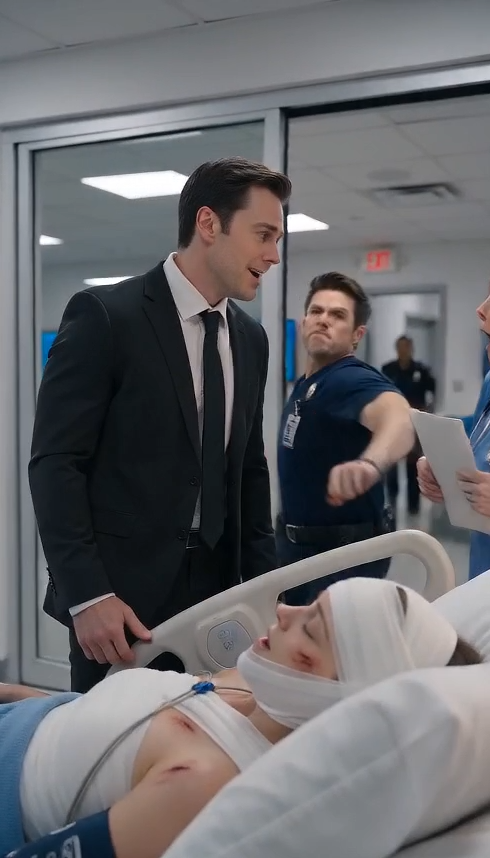
For a second, she saw herself on the bed.
Bandages.
Monitor.
Ethan’s lie.
Liam’s fury.
The phone glowing on the tray.
Then the memory softened.
Now the room was empty.
Clean.
Ready for whoever came next.
“I’m okay,” she said.
Liam smiled gently.
“Really?”
She nodded.
“Really.”
They walked outside into the evening air.
Natalie took out her phone.
No hidden folder waiting to save her.
No emergency countdown.
No evidence she needed to protect from a man in her own house.
Just messages from friends, work emails, and one photo Liam had sent of their childhood dog Milo with the caption:
Still the best password.
Natalie laughed.
The sound surprised her.
It was light.
Free.
Hers.
She looked at Liam.
“Thank you for leaving the door open.”
He shook his head.
“You’re the one who walked through it.”
Natalie slipped the phone into her pocket and looked at the hospital lights behind them.
Ethan had thought she was too weak to send proof.
Too isolated to be believed.
Too injured to survive his version of the story.
But he had mistaken silence for surrender.
He had mistaken fear for loyalty.
May you like


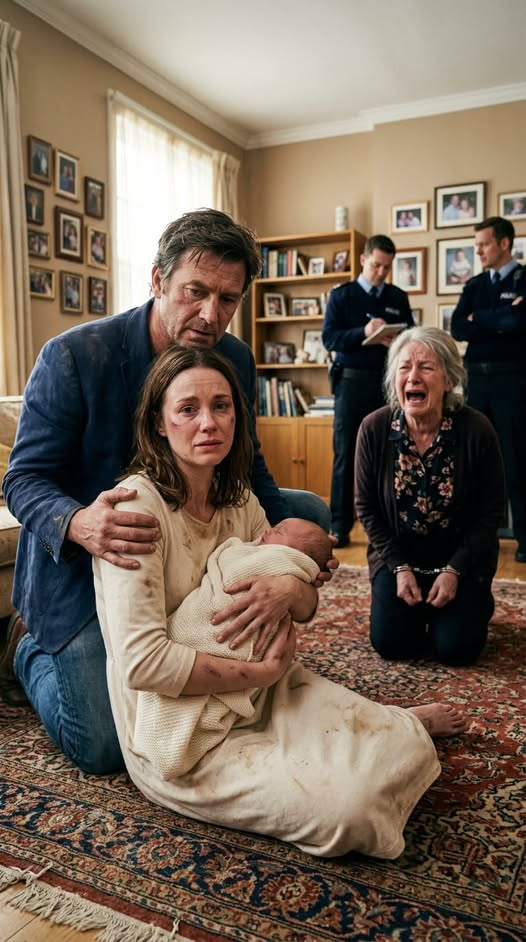
And he had mistaken a woman gathering evidence in the dark for a woman with no way out.
If someone you loved whispered that they had proof after everyone else believed the abuser’s lie, would you wait for the full story—or protect the evidence before it disappeared?