Chapter 2 - The Mother Who Noticed Everything
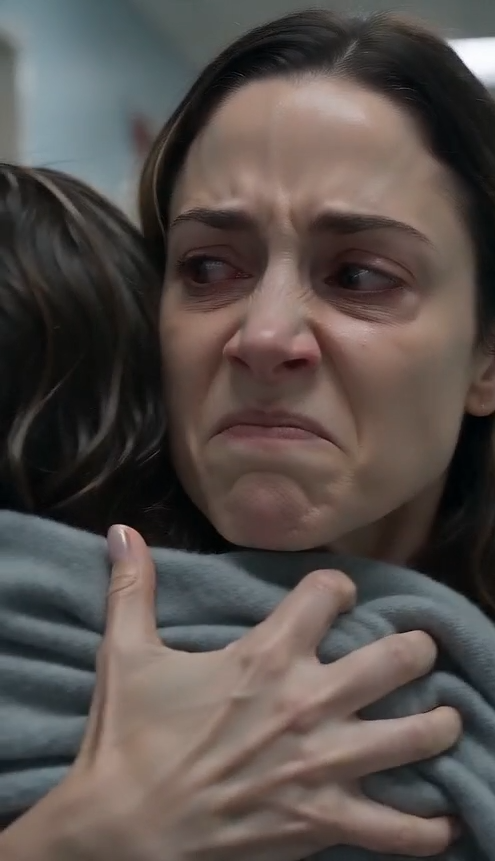
Gabriela noticed details for a living.
She was not a detective.
She was not a lawyer.
She was an emergency room nurse who had spent fourteen years learning the difference between what people said and what bodies quietly told the truth about.
A man said he fell.
His bruises said he blocked a blow.
A teenager said she was fine.
Her pulse said she was terrified.
A parent said the child was clumsy.
The child’s eyes said, Please don’t leave me alone with them.
So when Camp Briar Lake called and said Renata had “a little bus sickness,” Gabriela already knew something was wrong.
Because Renata did not get carsick.
Never had.
Not on buses.
Not in taxis.
Not on the ferry to Staten Island when she was six and ate cotton candy before boarding.
Renata loved motion.
She loved windows.
She loved counting road signs.
She loved drawing landscapes from the back seat.
And she had been excited about Camp Briar Lake for months.
It was not just any summer camp.
It was the kind of place with glossy brochures, lakefront cabins, horseback trails, STEM workshops, and smiling children in matching navy shirts.
It was also expensive.
Too expensive.
Renata only attended because of the Maribel Torres Scholarship, named after Gabriela’s late mother, who had once worked as a cook on that same property before it became elite.
Gabriela had cried when Renata got the scholarship email.
Renata had screamed.
Then packed three weeks early.
A red backpack with embroidered stars.
A sketchbook.
A blue rain jacket.
Two pairs of socks for every day because Gabriela always overpacked.
A tiny plastic compass from her grandmother’s old sewing box.
And a disposable waterproof camera Renata bought with her own allowance because she wanted “real camp pictures, not phone pictures.”
On the first day, Beatrice Hale greeted them at the stone entrance sign with a polished smile.
“Mrs. Morales,” she said, looking Gabriela up and down quickly. “We’re so pleased to welcome scholarship families into the Briar Lake community.”
Scholarship families.
Gabriela heard it.
Renata did not.
She was too busy staring at the lake.
Beatrice bent toward Renata.
“And you must be Renata. We expect good manners, gratitude, and resilience here.”
Gabriela’s smile cooled.
“She has all three.”
Beatrice’s eyes flicked back to her.
“I’m sure.”
That was the first warning.
The second came three days later when Renata called home during the scheduled evening window and sounded too careful.
“Camp is good,” she said.
Gabriela sat at her kitchen table.
“Good like pancakes good, or good like I’m saying good because adults are nearby?”
A tiny pause.
Then Renata whispered, “The second one.”
Gabriela stood.
“What happened?”
“Nothing bad. Just… some girls say I only got in because of charity.”
Gabriela closed her eyes.
“Did a counselor hear?”
“Yes.”
“And?”
“She told me not to be sensitive.”
Gabriela called the camp office that night.
Beatrice answered.
“Children tease, Mrs. Morales. We believe in resilience.”
Gabriela said, “Resilience is not adults ignoring cruelty.”
Beatrice’s voice cooled.
“Perhaps Briar Lake may be intense for Renata.”
Gabriela heard the threat under the politeness.
If you complain, your daughter does not belong.
So she documented everything.
Dates.
Times.
Names.
Tone.
She did not know then that the notes would matter.
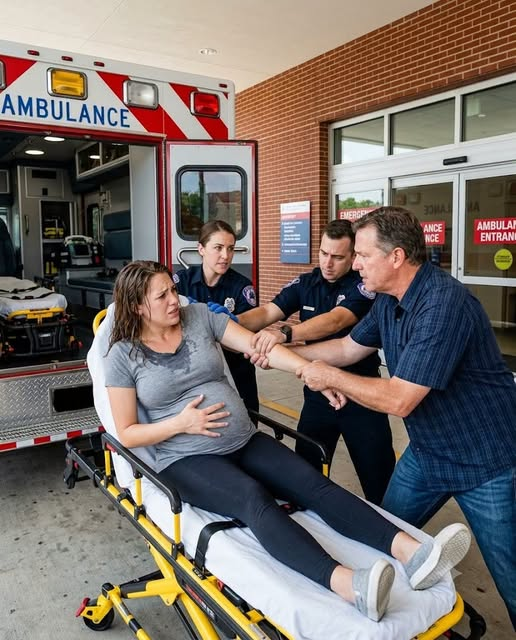
She did not know that five days later her daughter would arrive at a hospital wrapped in a gray blanket, wet-haired, sockless, and silent.
But Gabriela knew one thing the second she saw Renata in that hallway.
This was not carsickness.
May you like

This was a cover story.
👉 Gabriela had been trained to read what people tried to hide, and Renata’s silence told her the camp’s story had already fallen apart.